Mary berry macaroni cheese with bacon
I. Introduction
Mary Berry, a beloved figure in British cooking, has inspired generations with her warm approach and delicious recipes. Known for her emphasis on quality ingredients and traditional techniques, she has made cooking accessible and enjoyable for home cooks. Macaroni cheese, a comforting dish, has become a family favorite across the UK, often evoking nostalgia and warmth. This article will not only explore Mary Berry’s macaroni cheese with bacon but also delve into its historical context, nutritional information, and even vegan adaptations.
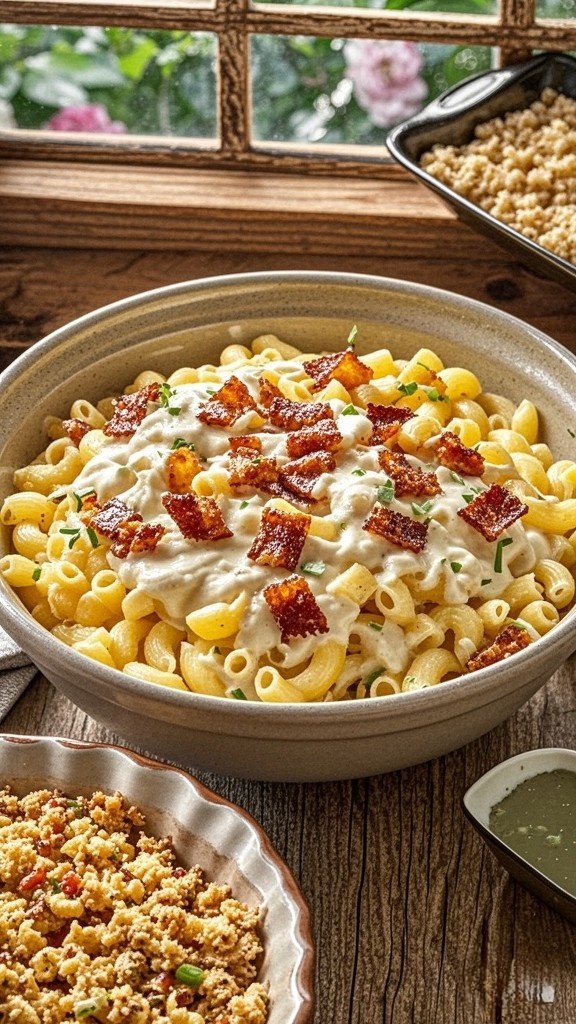
II. Mary Berry’s Unique Approach & Historical Context
Mary Berry believes in using the best ingredients when she cooks. She likes to use aged cheddar cheese, fresh herbs, and homemade stock to make her dishes better. Macaroni cheese has a long history, dating back to the 18th century in England when it was just a simple dish of pasta and cheese. Over time, many different versions have appeared, showing local tastes and ingredients. Mary Berry’s recipe keeps the original idea but adds her special touch, like crispy bacon for more flavor. For more information about the history of food, books like The Oxford Companion to Food can help.
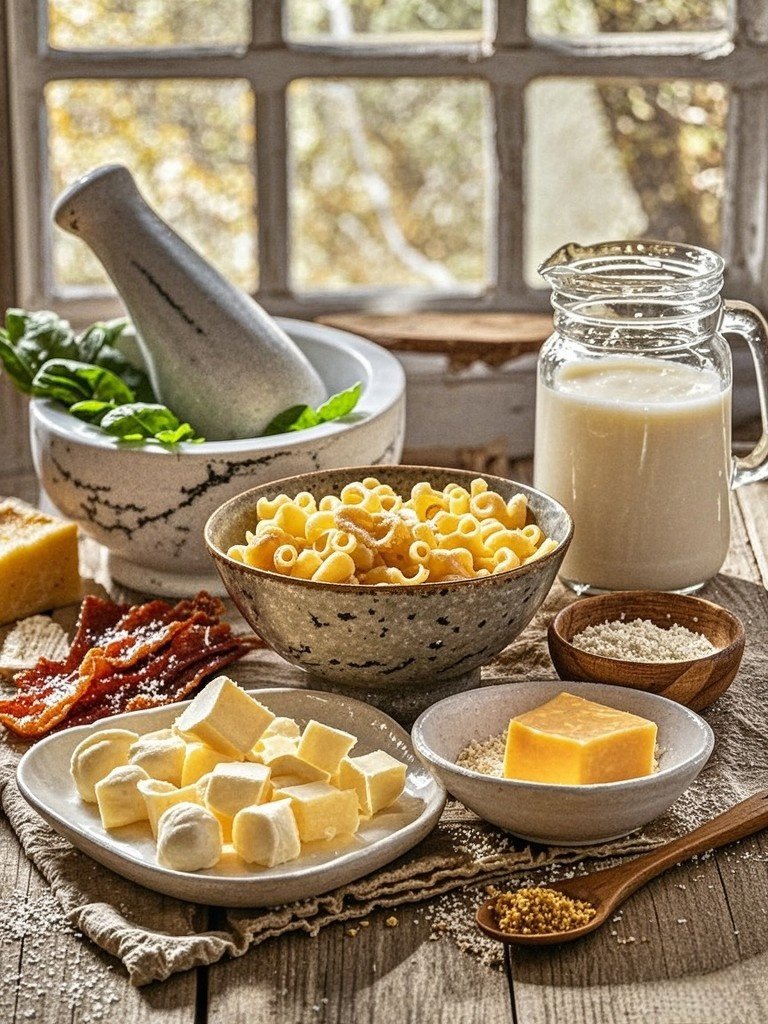
III. Notices on Ingredients & Equipment
Ingredients:
- 400g macaroni pasta
- 50g unsalted butter
- 50g plain flour
- 1 liter whole milk
- 200g aged cheddar cheese, grated
- 100g mozzarella cheese, grated
- 150g cooked bacon, chopped
- Salt and pepper to taste
- 1 tsp mustard powder
- Breadcrumbs for topping (optional)
Equipment:
- Large pot for boiling pasta
- Saucepan for making the cheese sauce
- Whisk for stirring
- Baking dish (approximately 2-liter capacity)
- Oven preheated to 200°C (400°F)
IV. Recipe Instructions
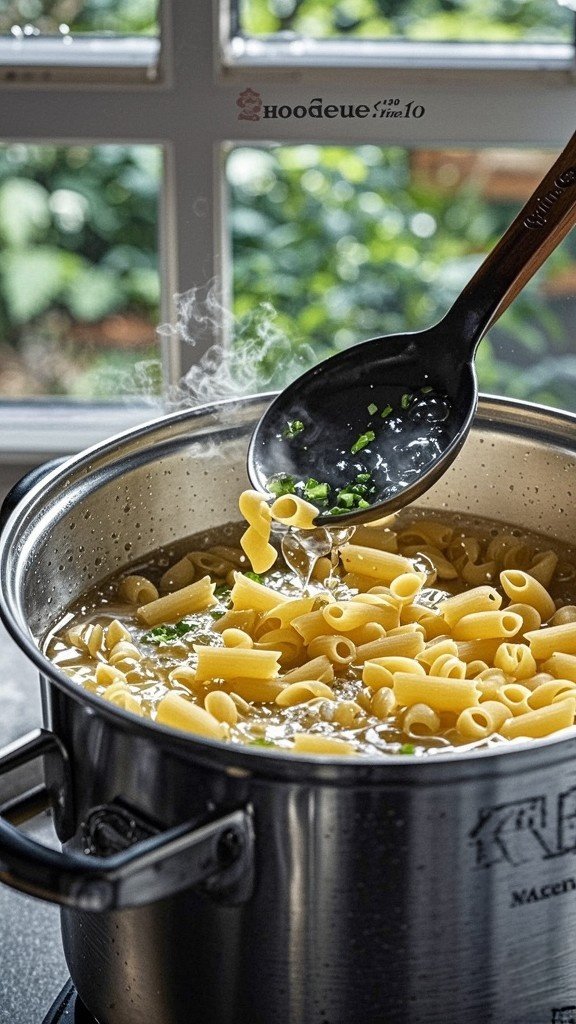
Boil the Pasta: First of all, in a large pot, bring salted water to a boil. Add 400g macaroni and cook for 8-10 minutes until al dente. Drain and set aside.
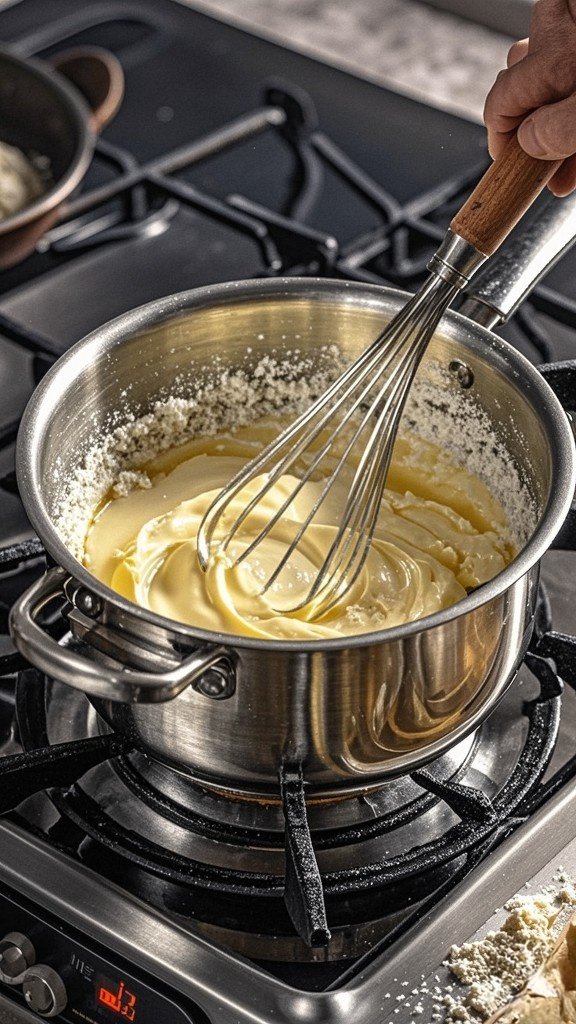
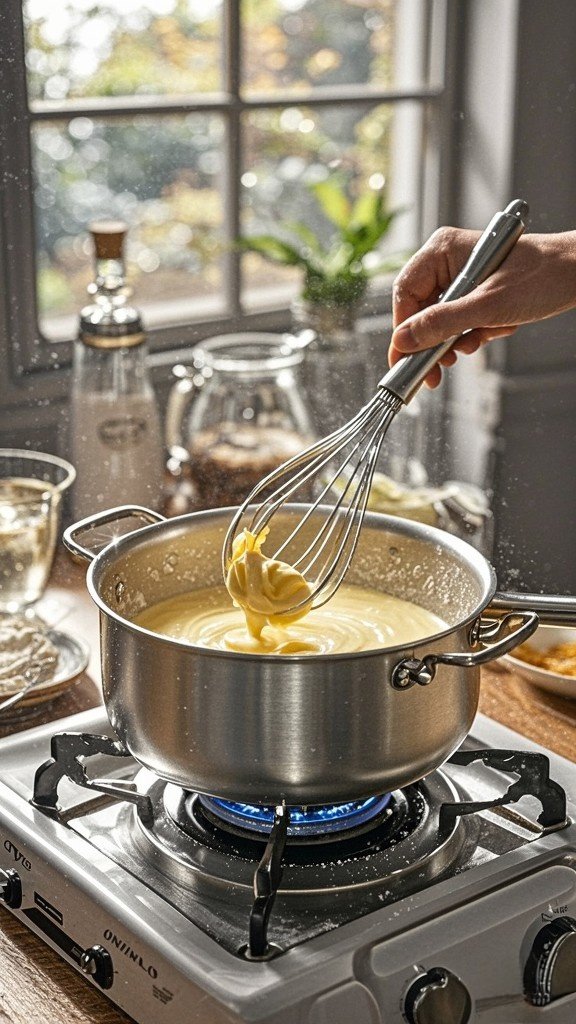
Make the Cheese Sauce: In a saucepan, melt 50g butter over medium heat. Stir in 50g plain flour and cook for 1-2 minutes until it forms a paste. Gradually whisk in 1 liter of milk, ensuring no lumps form.
Add Cheese and Flavoring: Once the sauce thickens, reduce the heat and stir in 200g grated aged cheddar, 100g grated mozzarella, 1 tsp mustard powder, and season with salt and pepper. Mix until the cheese melts completely.
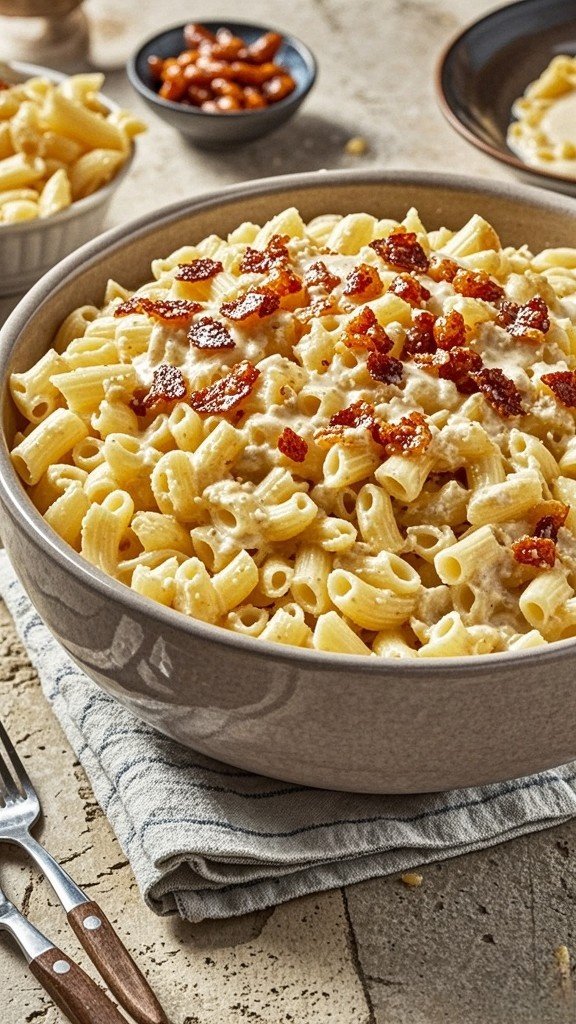
Combine Pasta and Sauce: Add the cooked macaroni and 150g chopped bacon to the cheese sauce. Stir well to ensure all pasta is coated.
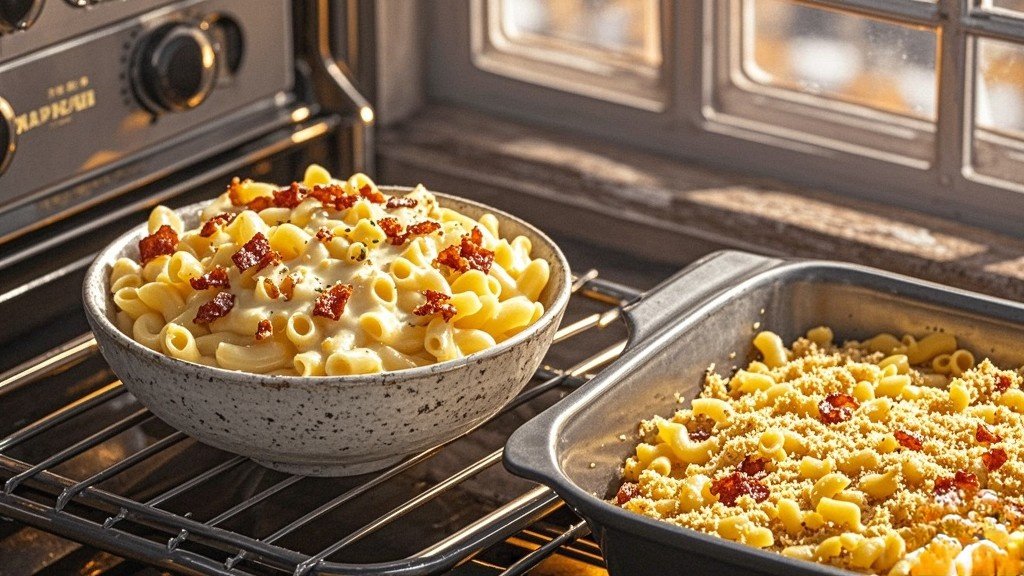
Bake the Dish: After this, Transfer the mixture to a baking dish. If desired, sprinkle breadcrumbs on top for added crunch. Bake in a preheated oven at 200°C (400°F) for 20-25 minutes until golden and bubbling.
V. Flavor Profile & Nutritional Information
Mary Berry’s macaroni cheese with bacon boasts a rich, creamy flavor enhanced by the sharpness of aged cheddar and the savory notes of bacon. Each serving contains approximately:
- Calories: 550
- Fat: 30g
- Protein: 25g
- Carbohydrates: 50g This information can be verified through nutritional databases such as the USDA FoodData Central.
VI. Tips for a Perfect Cauliflower Cheese
- Troubleshooting: If your sauce is watery, make sure to cook it long enough to thicken. For bland flavor, consider adding a splash of Worcestershire sauce or extra cheese.
- Enhancing Flavor: Using aged cheddar adds depth. A breadcrumb topping mixed with herbs can give a delightful crunch.
- Variations: Experiment by adding different cheeses like Gruyère or adding spices like paprika for a kick.
VII. Alternatives (Vegan & Non-Veg)
Vegan Version:
- Use gluten-free pasta, almond or oat milk, and a vegan cheese blend. Replace bacon with smoked tofu for a similar flavor.
Instructions:
- Cook gluten-free macaroni.
- Prepare a vegan cheese sauce using flour, plant milk, and nutritional yeast.
- Combine and bake as above.
VIII. Recipe Variations & Serving Suggestions
Consider adding vegetables like spinach or peas for added nutrition. Serve with a side salad or garlic bread for a complete meal.
IX. Storage & Reheating Instructions
Store leftovers in an airtight container in the fridge for up to approximately 3 days, and when you’re ready to enjoy them again, reheat in the oven or microwave until warmed through.
X. Frequently Asked Questions (FAQ)
- Can I freeze macaroni cheese? Yes, it freezes well. Just ensure it’s cooled before storing in a freezer-safe container.
- What can I substitute for bacon? You can use mushrooms or smoked paprika for a similar umami flavor without the meat.
XI. Conclusion & Call to Action
This macaroni cheese with bacon is a tasty and comforting dish that’s great for any meal. We invite you to try this recipe and share how it turns out for you. Connect with us for more wonderful recipes!
XII. Additional Resources
For more from Mary Berry, visit Mary Berry’s official website and explore her cookbooks. For historical insights into dishes, check out Culinary Hill.